

This post may contain affiliate links! I will receive a commission, at no extra cost to you, if you purchase something recommended here.










If you’ve ever spent a day exploring Italy, you’ve probably noticed the same thing I did my first week here: the rhythm of the day feels different.
Streets that were buzzing at noon suddenly fall quiet, shop doors are shuttered, and the scent of lunch still lingers in the air.
That pause isn’t accidental. It’s called riposo, Italy’s version of the midday break that many travelers associate with the Spanish siesta.
Riposo is more than just a nap. It’s a centuries-old tradition rooted in rest, family, and balance.
And while it looks different today depending on where you are in the country, understanding it can make your trip smoother (and far less hangry).
What is riposo? (and how it differs from the Spanish siesta)
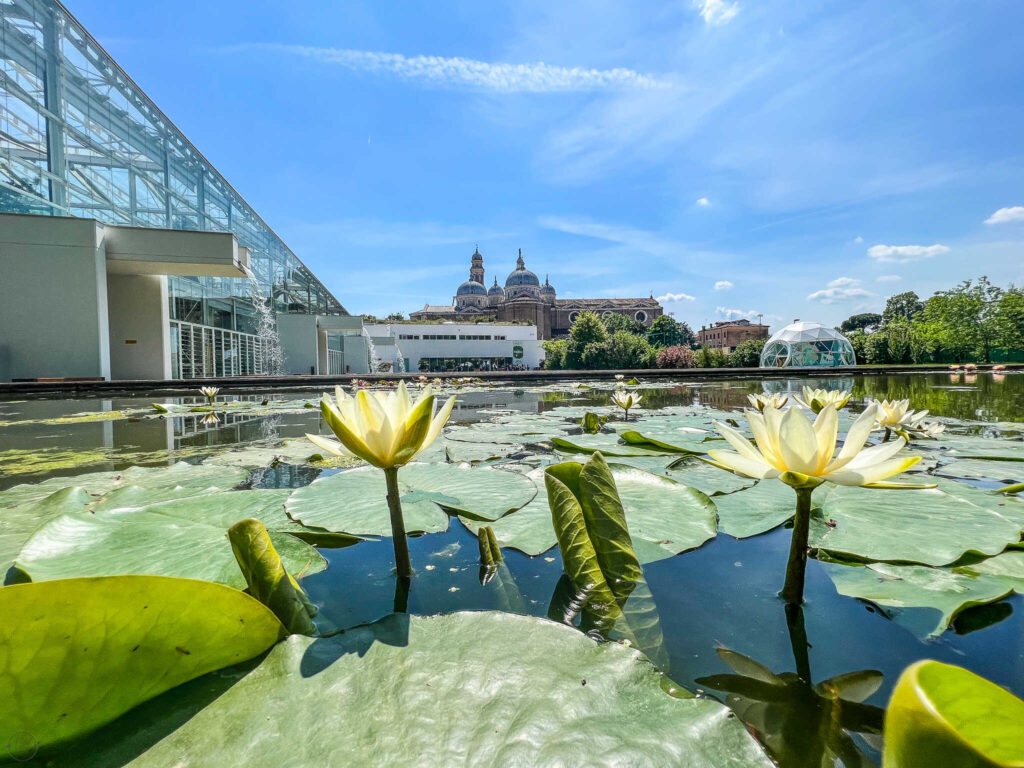
Riposo literally means “rest.”
It’s the Italian habit of pausing the day in the early afternoon, often after lunch, to recharge before heading back to work or evening activities.
While Spain’s siesta is famous worldwide, the Italian version is a little less formal.
In most towns, it doesn’t necessarily mean everyone goes home to sleep; it’s just a quiet few hours when daily life slows down.
According to the vice president of the Spanish Society of Sleep, Juan José Ortega:
“The Romans stopped to eat and rest at the sixth hour of the day. If we bear in mind that they divided periods of light into 12 hours, then the sixth hour corresponds in Spain to the period between 1 p.m. (in winter) and 3 p.m. (in summer).”
BBC
Typical hours & who observes it today
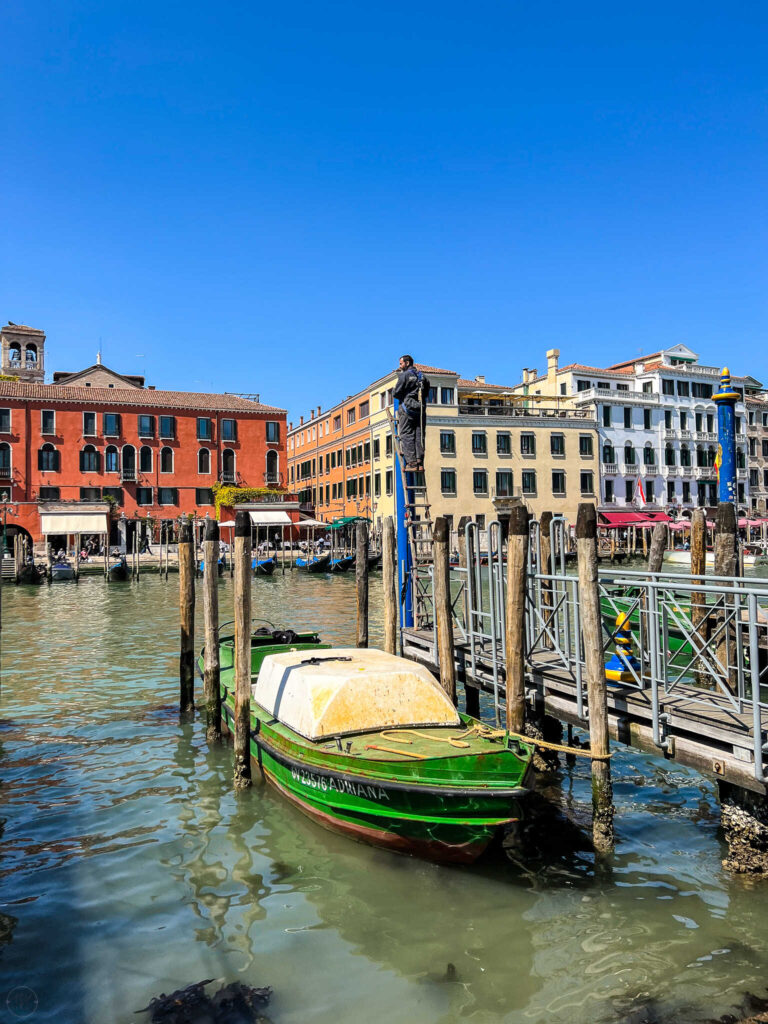
In modern Italy, riposo hours vary by region and business type, but the pattern is easy to recognize once you’ve seen it a few times.
Small, family-run shops usually close between 12:30 p.m. and 3:30 p.m. so the owners can have lunch and a rest. Larger chains and supermarkets often stay open straight through.
Restaurants follow their own clocks. Lunch service usually runs from noon until around 2:30 p.m., after which the kitchen shuts down until the dinner rush begins around 7 p.m.
Tourist-heavy cities like Rome, Florence, and Milan are the most flexible.
In contrast, smaller towns (especially in the south) tend to keep a stricter riposo schedule. So if there’s a boutique or trattoria you’re dying to visit, always double-check the hours before you go.
Remember, this has been my experience with Italian riposo time living in Rome and near Venice; however, operating hours may vary.
How to plan your day around riposo
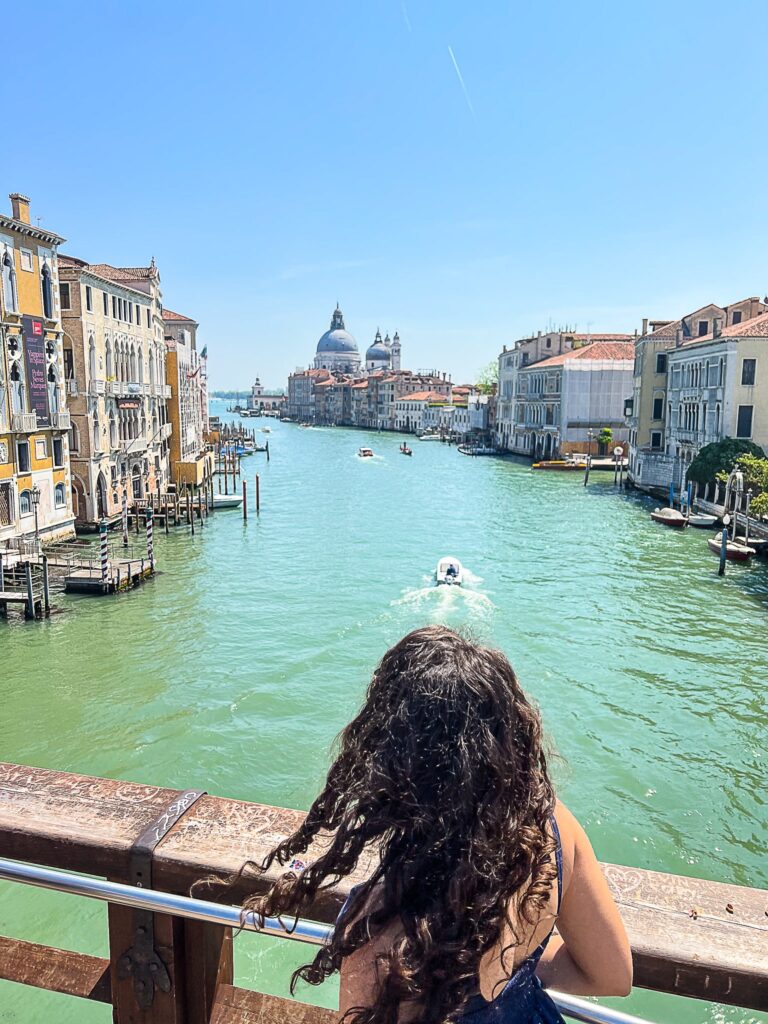
Here’s where a little strategy pays off. If you’re visiting Italy, don’t fight riposo; plan with it.
Book morning sightseeing early. Museums, markets, and outdoor landmarks are liveliest before lunch.
Reserve lunch in advance if there’s a spot you don’t want to miss.
Pack snacks or protein bars for the afternoon lull. Trust me, there’s nothing sadder than being hungry in Italy with every kitchen closed.
Use the downtime. Take a post-lunch stroll, nap at your hotel, or journal over a cappuccino, it’s the perfect moment to slow your pace and sync with the Italian day.
Tour Director Tip: Think of riposo as part of the experience, not an inconvenience. Once you lean into it, you’ll wonder why we don’t all schedule life this way.
Regional notes: how riposo changes across Italy

Riposo doesn’t look the same everywhere.
Like so many Italian traditions, it shifts subtly from region to region, and even from city to city.
The pace is faster in northern cities like Milan or Turin, and many businesses skip the break entirely. Office workers might just step out for a quick espresso before heading back to their desks.
Travel south, though to places like Puglia, Calabria, or Sicily, and riposo becomes sacred. Streets empty, shutters close, and families gather for long lunches that stretch blissfully into the afternoon.
Coastal towns tend to balance somewhere in between. You’ll still find pauses in local life, but beach cafés and tourist-area shops often stay open through the day to cater to travelers.
So while you might not need to plan around riposo in Rome or Milan, it’s absolutely worth remembering if you’re venturing into smaller towns or countryside villages.
Restaurants & museums: what to expect midday
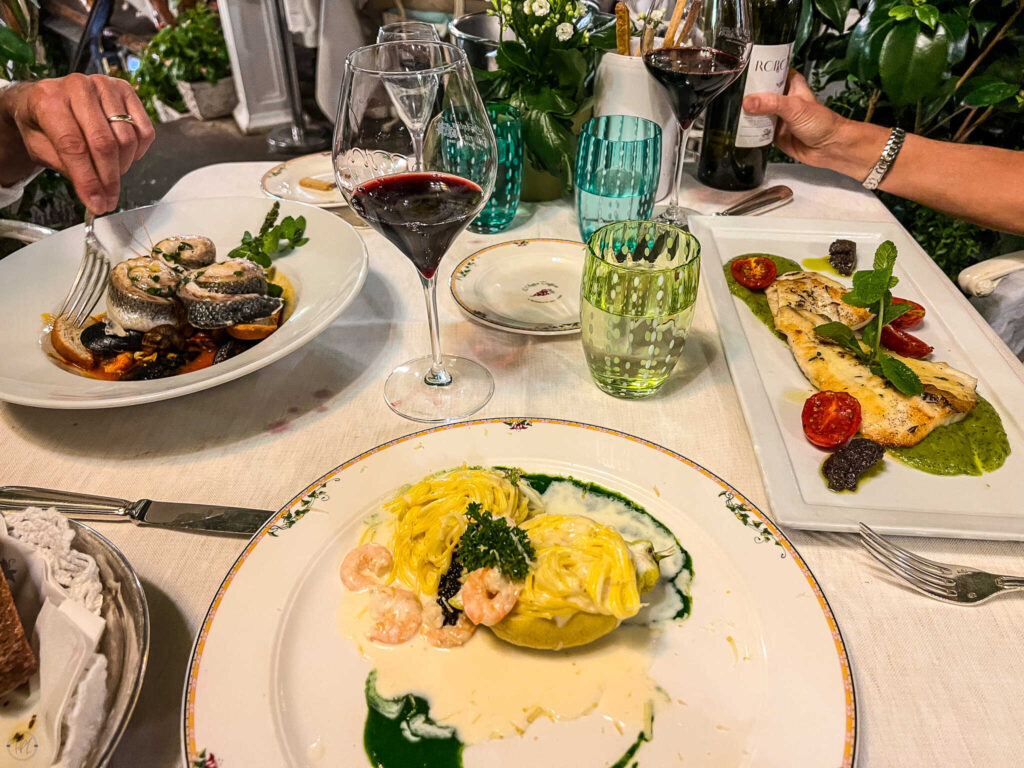
Riposo doesn’t mean everything stops, but it does change your options.
Restaurants usually serve lunch until about 2:30 p.m. Then the kitchen shuts down until the dinner prep begins around 7 p.m.
Unless you want to be stuck eating fast food in a country where the cuisine is revered, I highly recommend you plan ahead.
What landmarks will you be exploring? Find a few restaurants nearby so you have options come lunchtime.
Or, if you’re living in Italy, plan to run your necessary errands first thing in the morning.
If you’ve missed the window, look for a bar (Italian-style café) where you can grab a sandwich, pastry, or quick espresso as many of them stay open through the afternoon.
Museums and cultural sites are another story. Most remain open straight through the day, especially in major destinations.
It’s actually one of the best times to visit! The crowds thin out while everyone else is off having lunch.
Churches, too, often stay open, giving you a peaceful, cool space to rest between adventures.
Sundays & holidays
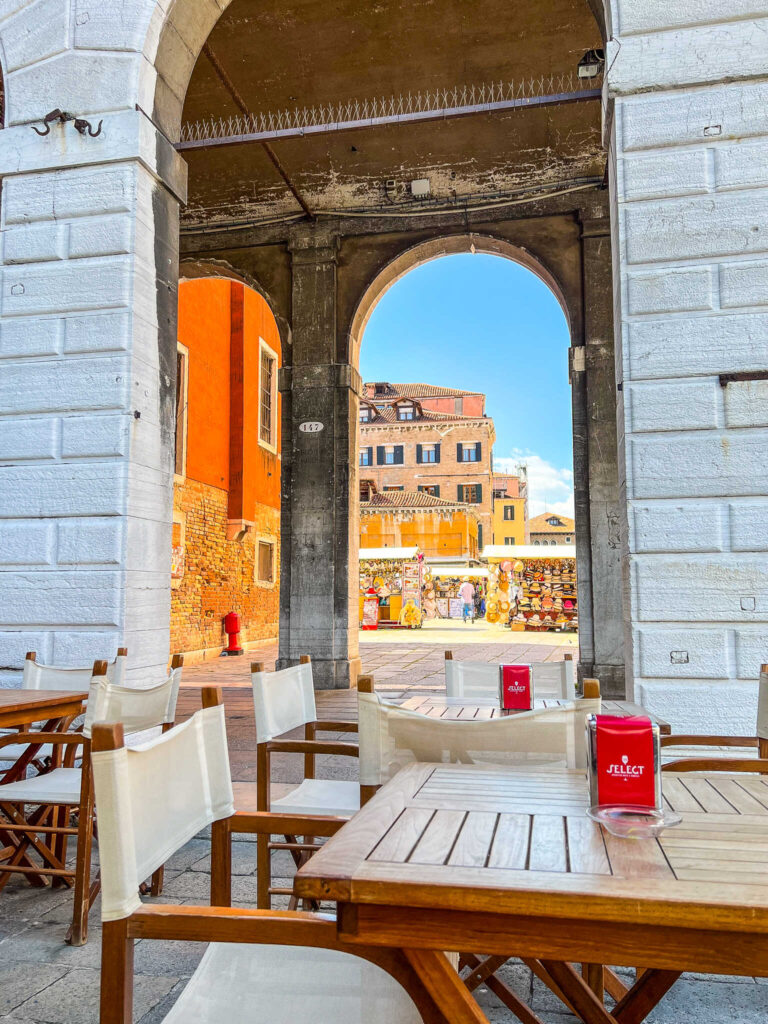
Sundays in Italy are all about family.
Even in big cities, you’ll notice quieter streets, limited shop hours, and longer restaurant meals.
Some small towns close almost completely for the day, while others host outdoor markets or festivals that make wandering a joy.
Public holidays follow similar rhythms. Expect reduced hours, especially outside tourist centers.
In summer, when heat and crowds peak, some places even extend their riposo slightly longer.
Take advantage of the rest hours to recharge

One of the best reasons to travel is to experience a culture and lifestyle different from yours.
Although you might find it frustrating that restaurants and shops close during this prime afternoon window, riposo is an integral part of Italian heritage.
Take advantage of the rest hours to recharge and appreciate the cultural difference.
This will help you make the most of your Italian vacation and ensure you’re well-rested for all the adventures ahead!
Quick traveler checklist
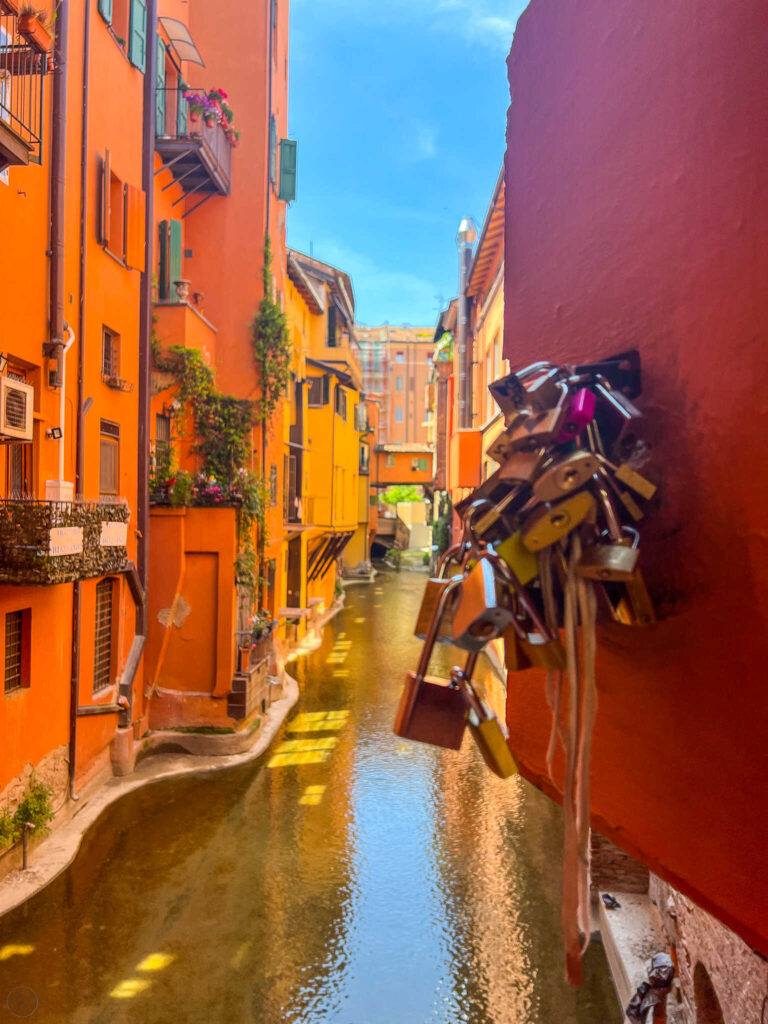
Before you set off for the day, remember:
- Check the opening hours of small shops and restaurants.
- Eat lunch between 12:00 and 2:30 p.m. if possible.
- Carry snacks or grab something from a bar if you’ll be out all afternoon.
- Visit museums or churches during riposo hours.
- Embrace the quiet! Italians have mastered the art of slowing down.
Things to do During Riposo in Italy
Plan to visit a museum or church during this window
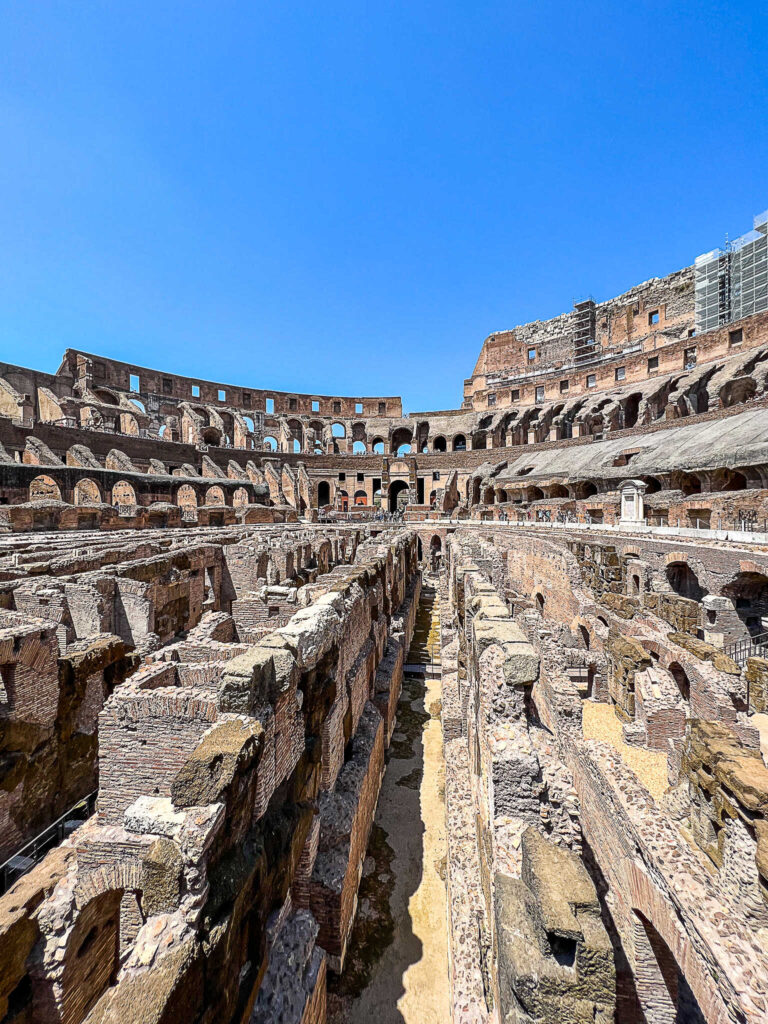

Visiting a museum or church during siesta time in Italy is a great way to explore the country’s rich history and culture while making the most of these otherwise uneventful hours.
Many of the most popular attractions around the country, such as Rome’s Colosseum, Florence’s Uffizi Gallery, and Venice’s Galleria dell’Accademia, are open during this time.
Additionally, many churches and cathedrals are open during Italian siesta, offering peaceful respite while you’re still sightseeing.
Again, make sure to check the landmark’s official hours to confirm.
Enjoy a leisurely stroll through the city center
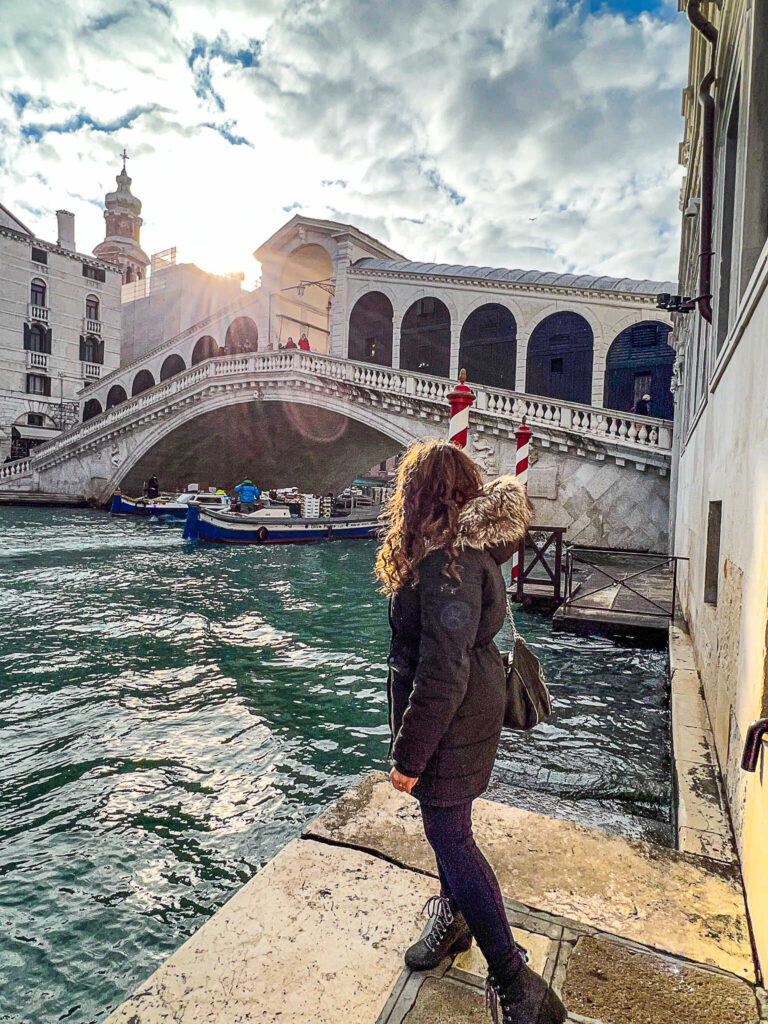
Riposo time is also an excellent opportunity to walk through the city.
You’ll find that even the city’s most bustling streets have fewer people walking around during Italy’s siesta hours.
This is your chance to explore some of the more famous streets almost to yourself or lesser-known areas and neighborhoods that you might have yet to see.
Take a guided tour in the afternoon
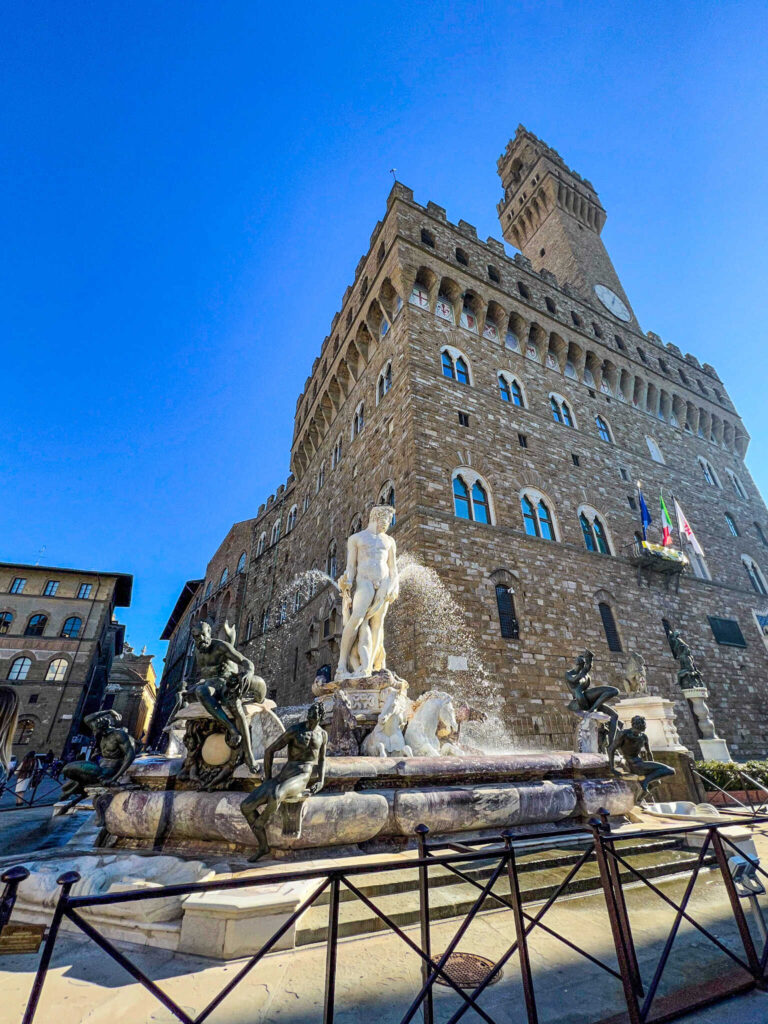
Another great activity during riposo in Itay? Take a guided tour!
You can find tons of different experiences that take place in the afternoon, from walking tours to wine tastings and cooking classes.
Check out GetYourGuide and Viator to find some fun afternoon tour options.
Eat at a “bar”
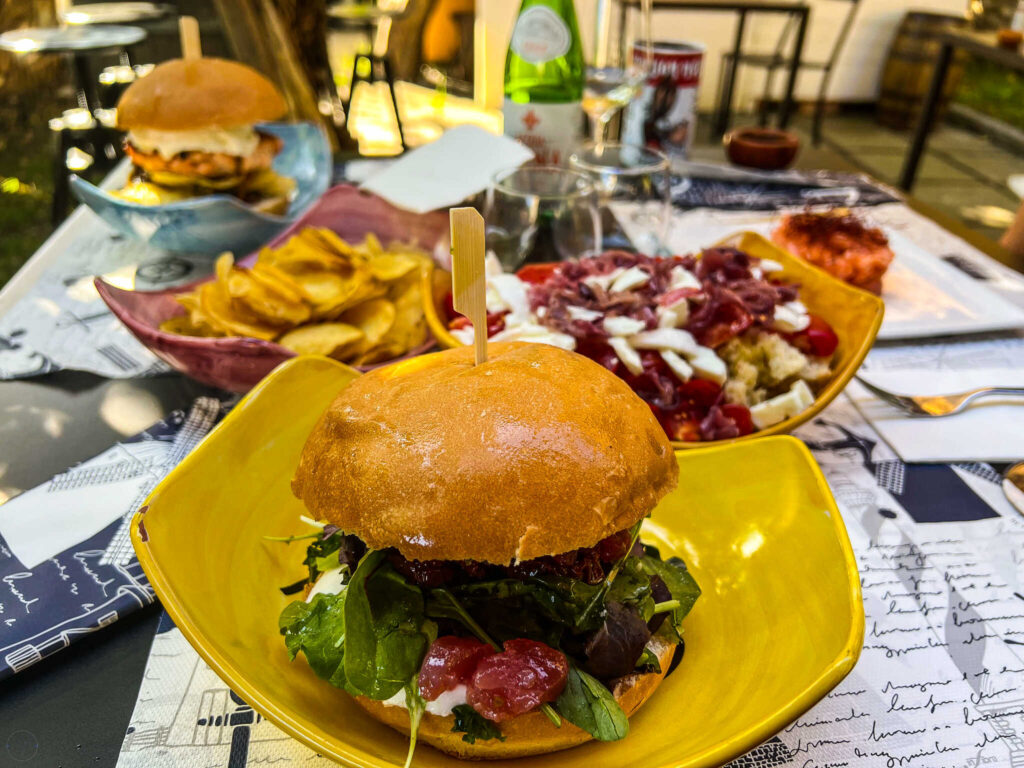
In Italy, a bar is for coffee and small bites. Sometimes, they’ll also serve alcohol, but usually not until aperitivo.
Most importantly, many of them stay open during siesta time.
These bars offer a variety of snacks, sandwiches, and other light meals that are perfect for lunchtime.
Plus, they’re usually much cheaper than traditional restaurants!
Stop for gelato

Gelato is a must-have when visiting Italy, and siesta time is the perfect indulging opportunity.
Many gelaterias stay open during riposo, so you can enjoy a scoop or two of this delicious Italian treat without worrying about missing out on other activities.
It’s a great way to cool off after a day of sightseeing in Italy’s hot summers.
Head to a grocery store
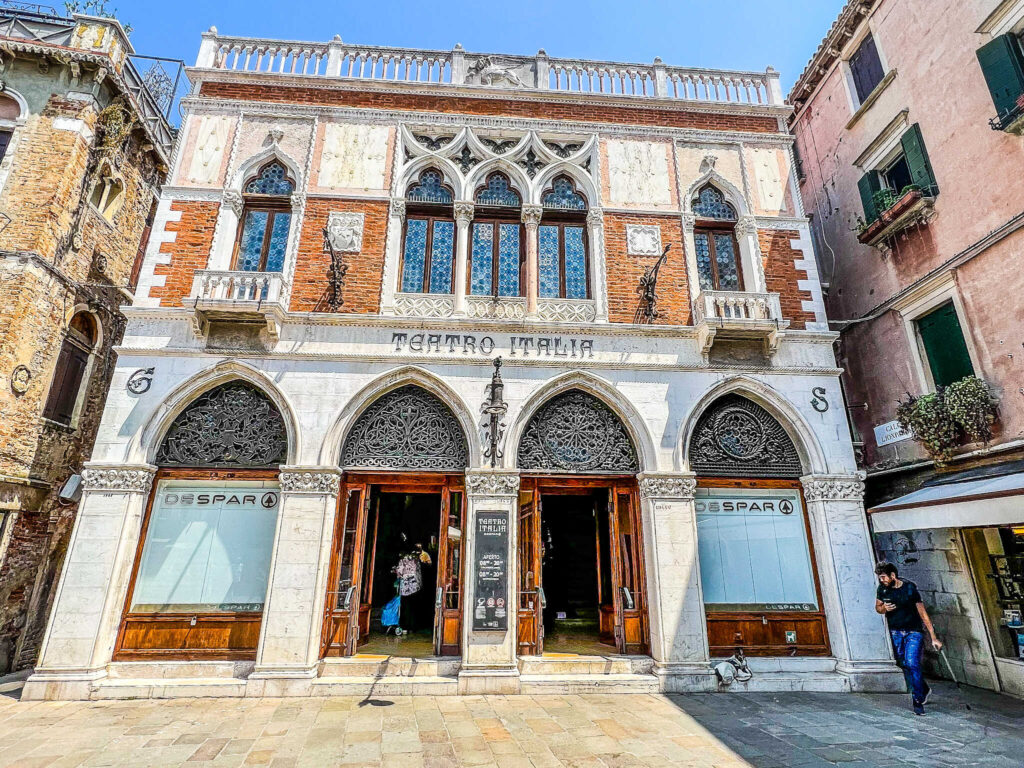
If all else fails–you’re tired, hungry, and missed the lunch window–head to a grocery store.
Many of Italy’s chain grocery stores like Coop, Conad, Despar, Aldi’s, and Lidl stay open during siesta hours.
You can find grab-and-go options like yogurt, shakes, and other snacks that are perfect for a quick break for lunch and stock up on snacks and drinks for the rest of your trip.
FAQs: Riposo in Italy
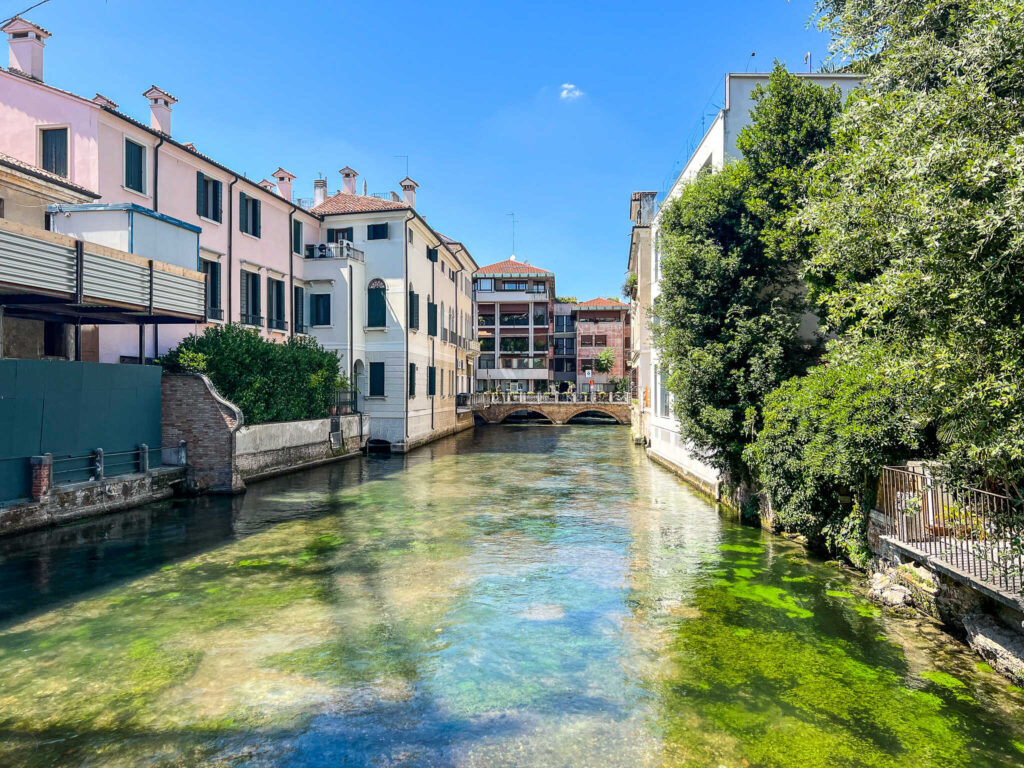
What is an Italian nap called?
Since riposo doesn’t necessarily mean that someone will be sleeping, pennichella or pisolino are the Italian words used to describe an afternoon nap.
Do Italians still take a siesta?
In many smaller towns, absolutely! You’ll hear it called riposo though, not siesta. In larger cities, the tradition is fading, but a slower afternoon rhythm still exists everywhere.
What time do shops close for riposo?
Most close between 12:30 p.m. and 3:30 p.m., though hours vary by region. Always check local signs or Google listings before planning your afternoon.
Is riposo observed in tourist cities?
Yes, riposo is still observed in tourist cities. Many businesses stay open in major destinations like Rome, Florence, or Venice, but you’ll still notice quieter streets and fewer locals around midday.
Are restaurants open during riposo?
Most kitchens close after lunch service and reopen for dinner. Bars and gelaterias, however, stay open all afternoon, perfect for a quick bite or coffee.
How does riposo change in summer or winter?
Summer heat makes riposo more common and sometimes longer, especially in the south. In winter, hours can shorten slightly as the daylight fades earlier.
Riposo in Italy: Wrap-Up
Riposo isn’t just about sleep; it’s a philosophy. It reflects Italy’s deep respect for food, family, and the gentle art of taking time.
For travelers, learning to move with that rhythm, not against it, turns frustration into fascination.
Whether you’re pausing over a long lunch, strolling through empty streets, or napping in the afternoon light, you’re experiencing something authentically Italian.
Slow down. Let the shutters close. You’re on Italian time now.
Read More
- Your Complete Guide to Wheelchair-Accessible Italy
- Does It Snow in Italy? Your Ultimate Snow in Italy Guide
- The Cost of Living In Rome, Italy: A Local’s Breakdown
- Your Guide to Teaching English in Italy with ACLE
- Is Venice Worth Visiting? Everything I Wish I’d Known Before Visiting Venice, Italy



Leave a Reply