

This post may contain affiliate links! I will receive a commission, at no extra cost to you, if you purchase something recommended here.










Are there cars in Venice, Italy?
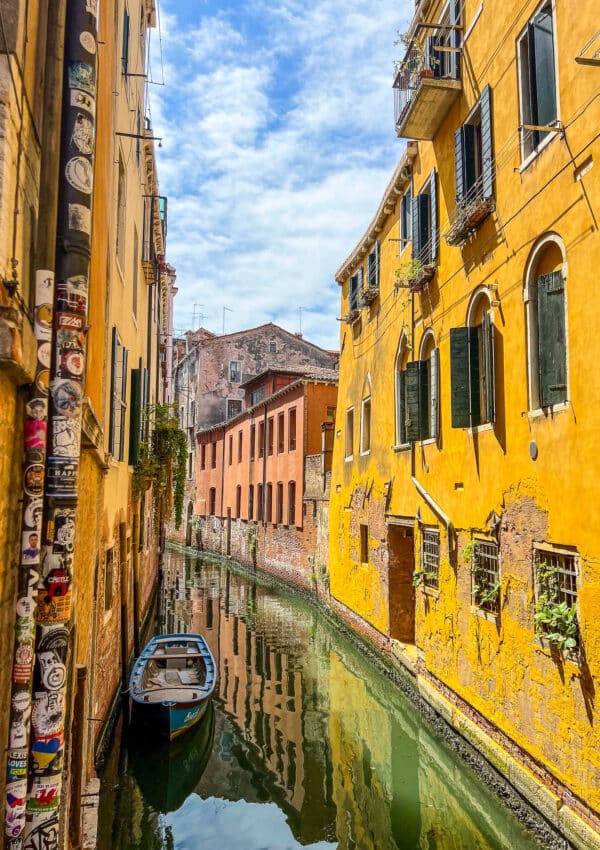
Venice is one of the world’s most magical cities. A maze of canals, bridges, and marble palaces that seems to float on water.
But among all its charms, there’s something noticeably missing: cars.
It’s a unique aspect of this stunning city that sets it apart from just about every other urban center in the world.
In Venice’s historic center, cars, scooters, and bicycles are completely banned.
The city was built centuries before engines existed, designed entirely for boats and pedestrians.
That means once you cross onto the islands of central Venice, the rhythm changes; it’s all vaporetti, water taxis, and your own two feet.
If you’re planning to drive into Venice or wondering how to move around once you arrive, here’s exactly where cars stop, where to park, and how to explore the city smoothly without one.
Is Venice car-free? (Historic center vs. mainland)
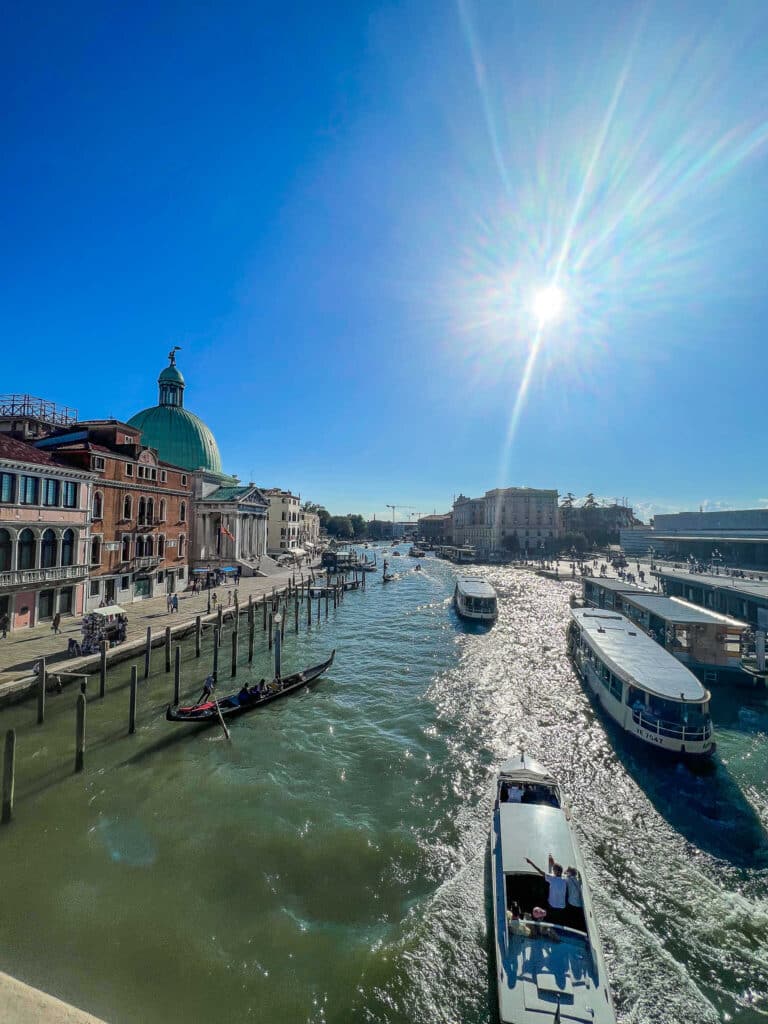
Venice is divided into two parts: the historic lagoon city (where you’ll find San Marco, Rialto, and the Grand Canal) and the mainland districts, including Mestre and Marghera.
Cars are allowed only on the mainland.
The road ends once you cross the long Ponte della Libertà, a four-kilometer bridge connecting the mainland to the islands. From there, everything becomes pedestrian- and boat-only.
If you’re staying in Mestre or visiting nearby cities like Padua or Verona, you’ll have road access as usual. But if your accommodation is anywhere within the lagoon, you’ll travel by water or foot the moment you arrive.
Tips for Driving to Venice, Italy
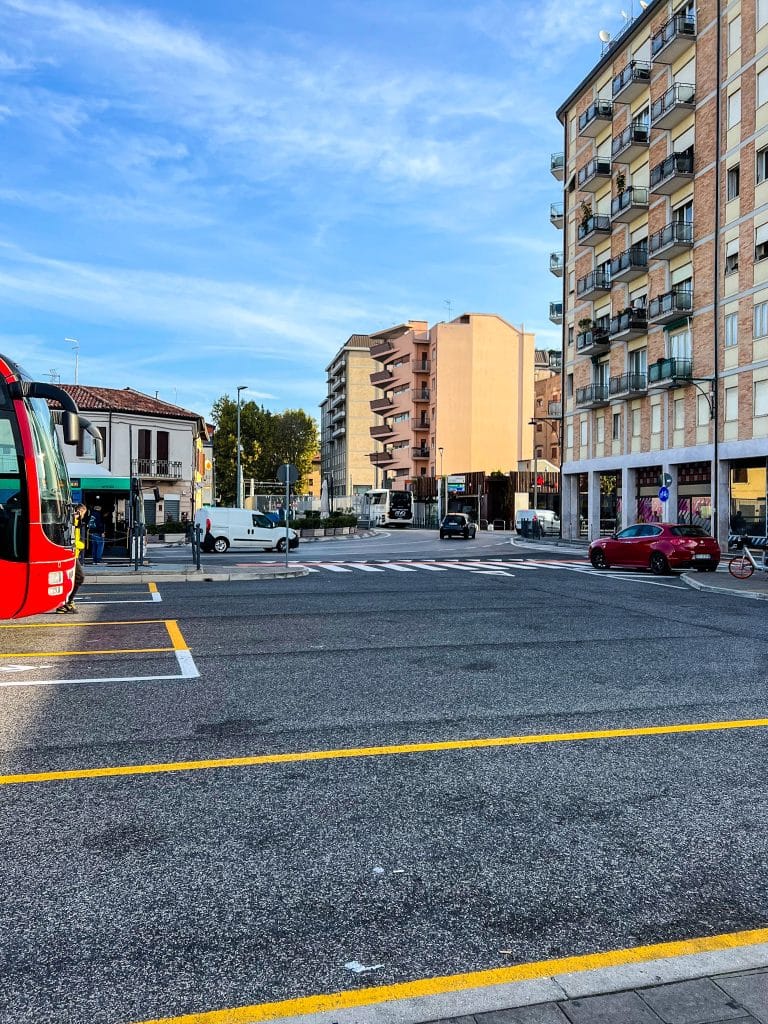
If you do decide to drive to Venice, there are a few things to keep in mind:
👉 The historic city center is completely forbidden to cars, so you must park outside the city and explore on foot or by boat.
👉 Be prepared for heavy traffic and long wait times at the parking areas, especially during peak tourist season.
👉 Make sure to check the parking rates and hours of operation before you arrive to avoid any surprises.
Driving to Venice can be a convenient and affordable way to explore this beautiful city. Still, planning ahead and preparing for the unique challenges of exploring a car-free city is essential.
Where to Park in Venice
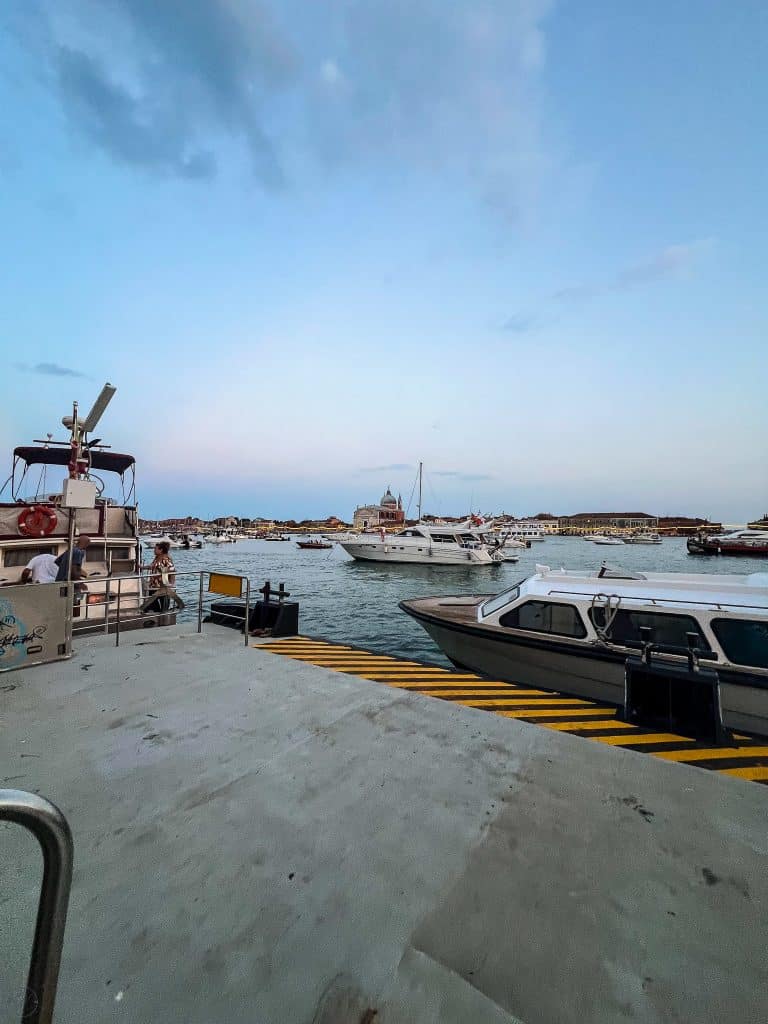
As you now know, Venice is a car-free city that can only be explored on foot or by boat.
However, it is possible to drive to Venice by car and park your vehicle in one of the parking areas outside the historic city center.
Thankfully, there are several parking options available for those driving to Venice.
Tronchetto Parking
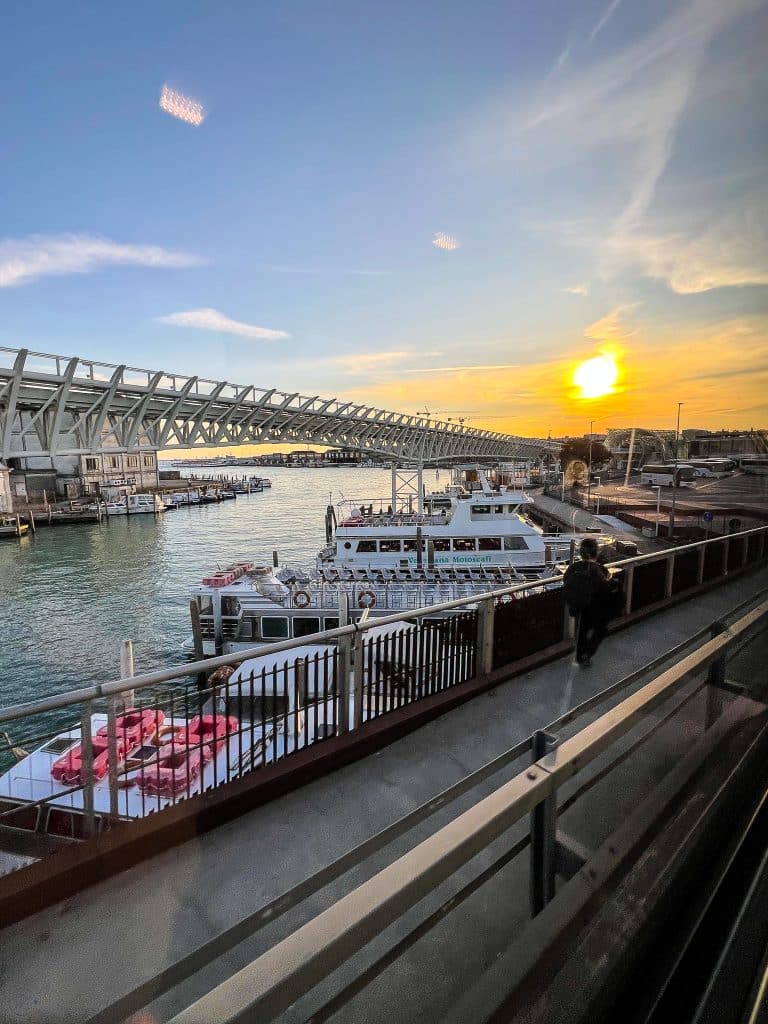
If you want your car as close to the historic center of Venice as possible, you’ll head to the Tronchetto parking area.
It’s located on an artificial island and is connected to the historic city center by a “people mover,” a fast-moving cable car.
They have about 4,000 parking spaces and spots for buses, camper vans, and minivans. But spots fill up quickly on weekends, holidays, and during high tourist season.
Once you get there to park your car, they have six payment machines where you’ll pay for the parking when you go to pick up your vehicle.
You can find their hourly and daily rates and more information on their website.
Piazzale Roma
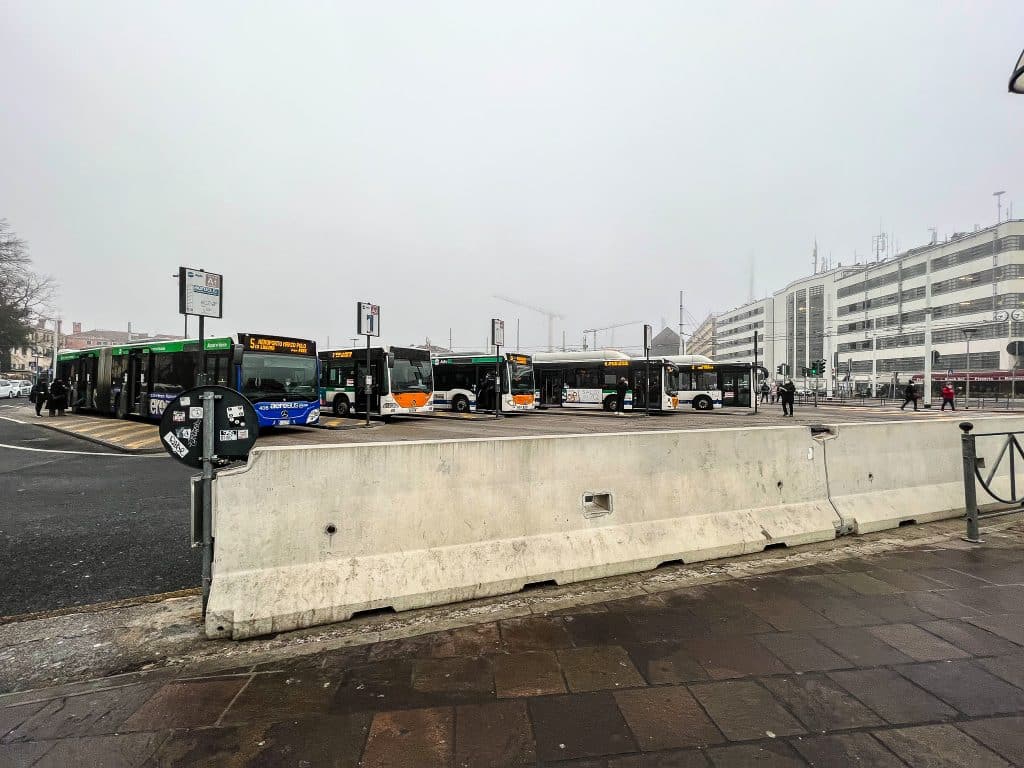
Another option is the Piazzale Roma parking area, which is also located on the edge of the historic city center.
It’s connected to the Via della Libertà (the road that takes you from the mainland into historic Venice) by the Ponte della Libertà and to the rest of Venice by Ponte della Costituzione.
It’s the main bus transportation hub in Venice and a popular place for car parking.
Azienda Servizi Mobilità S.p.A. operates the largest parking lot on Piazzale Roma, called Autorimessa Comunale.
The municipal parking garage has room for 2,182 cars and 300 motorbikes.
You can book your parking in advance online, no later than midnight on the day before the date of arrival.
Garage San Marco offers private parking here; you can check their website for up-to-date information on their hourly and daily rates.
Although parking with Garage San Marco is more expensive than Tronchetto, they offer electric chargers.
Venezia Mestre
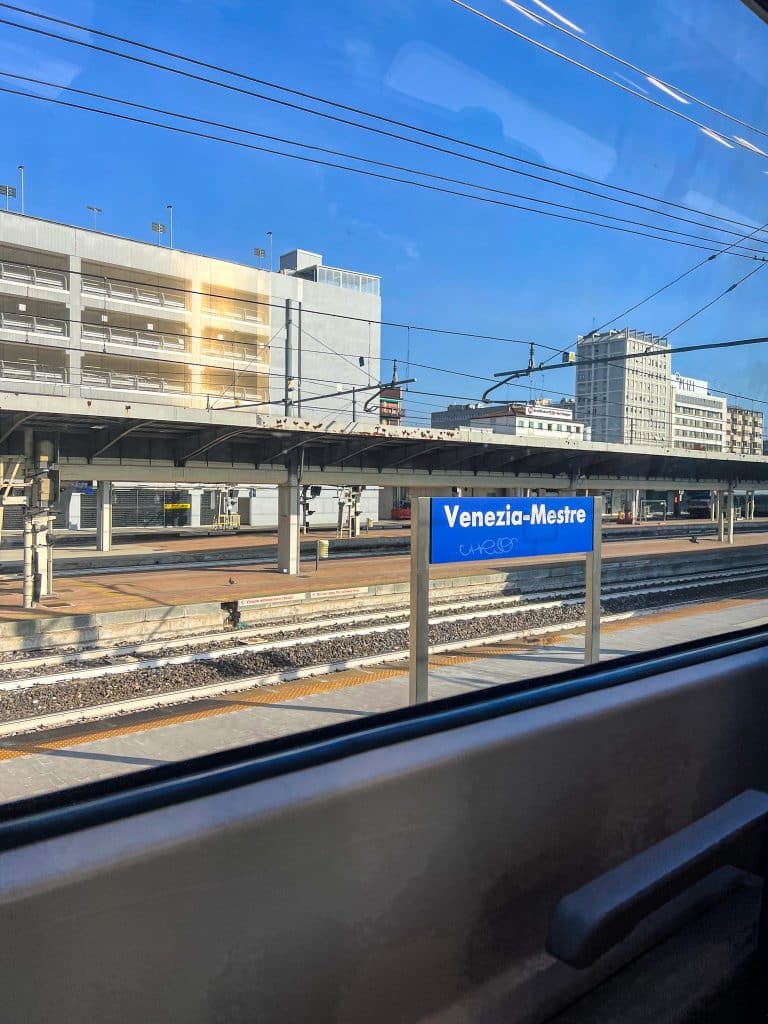
Thankfully, you don’t need to actually park your car in the historic center of Venice to be able to access it.
You’ll find more budget car parking options in Venezia Mestre, the mainland side of Venice.
There, you can drive and park your car in several parking lots near the Venezia Mestre train station or by public water transportation.
Trains from the station leave for Venice’s Santa Lucia railway station several times every hour, and tickets only cost a few euros.
Although you’ll be a bit farther away from your car, it’s the cheaper parking option, and you’re more likely to find an open car park.
Marive Transport
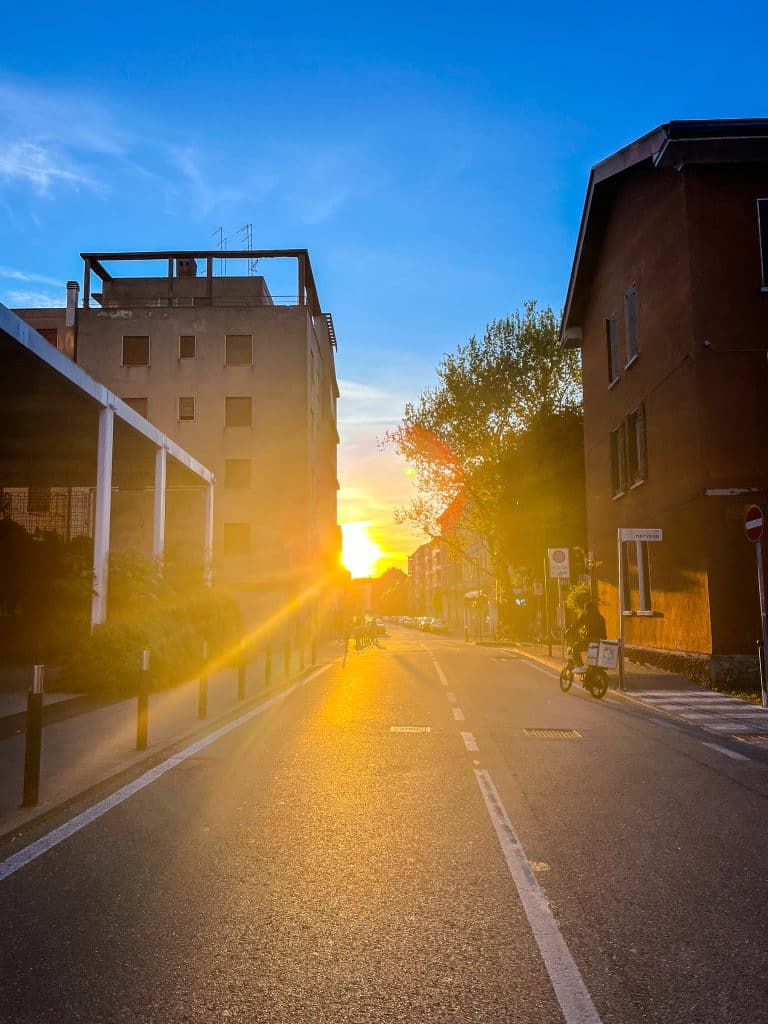
Marive Transport is a parking lot right on the edge of the Venetian Lagoon.
They offer 24/7 video security for their parking, and their daily rate is much cheaper than what you’ll pay in the historic center of Venice.
Also, you can combine the price of your parking with their ferry that will take you right from their boat docks next to their lot straight into Venice.
Terminal Fusina
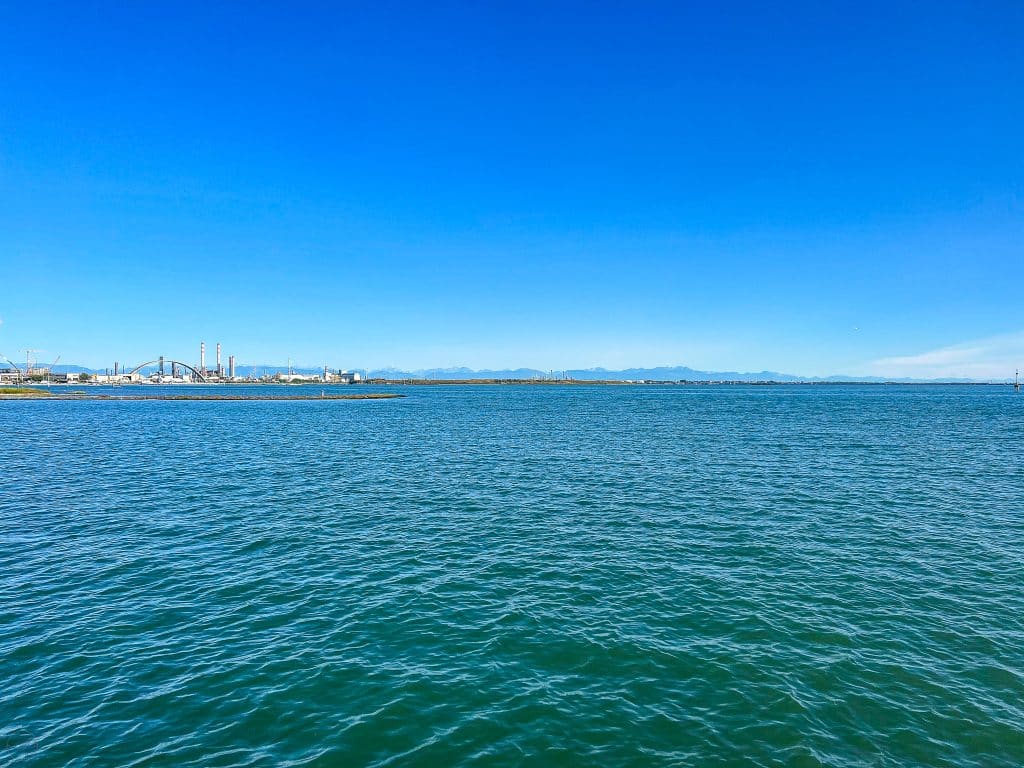
Terminal Fusina is another parking spot on the mainland side of Venice. They also offer a ferry service to transport you straight to the city center from the parking lot.
You’ll be wandering around Piazza San Marco in no time!
You can look at their pricing and even book your car parking on their website.
How expensive is car parking in Venice, Italy?
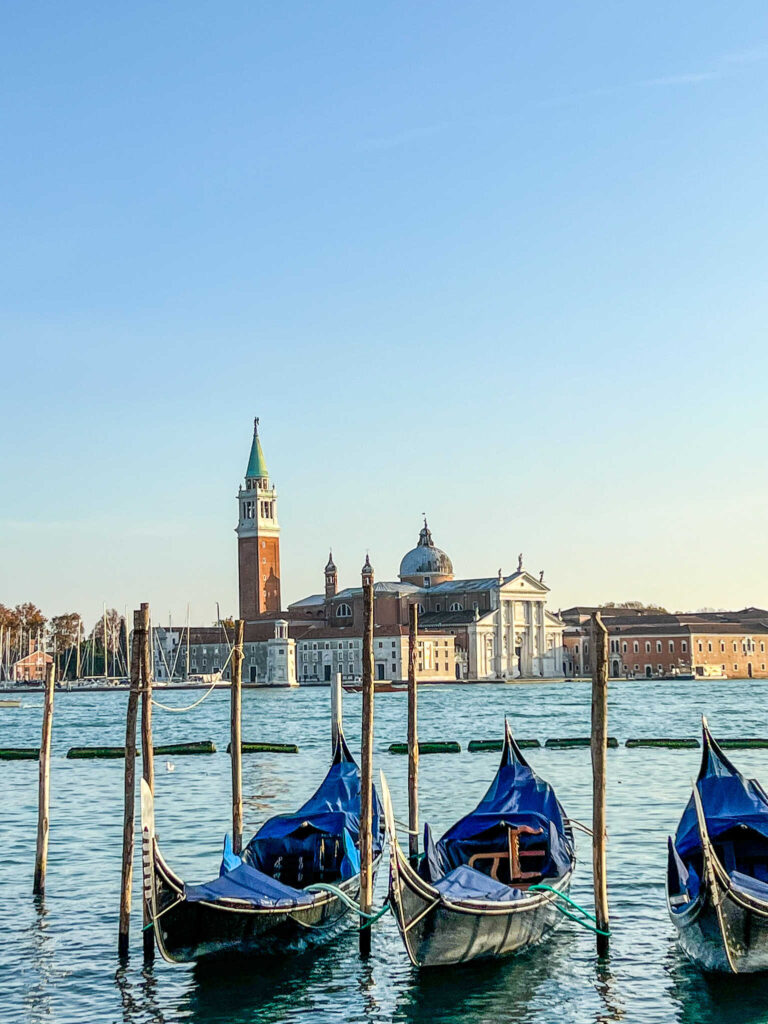
Car parking in the historic center of Venice can be pretty expensive, especially if you plan to park for more than a few hours.
The exact price depends on the parking garage and sometimes also on the size of your car.
Some parking garages have discounted rates in the evening and at night.
You’ll need to check the exact rates with the parking lot you’re interested in.
Venetian Public Transport 101
Vaporetti, passes & routes
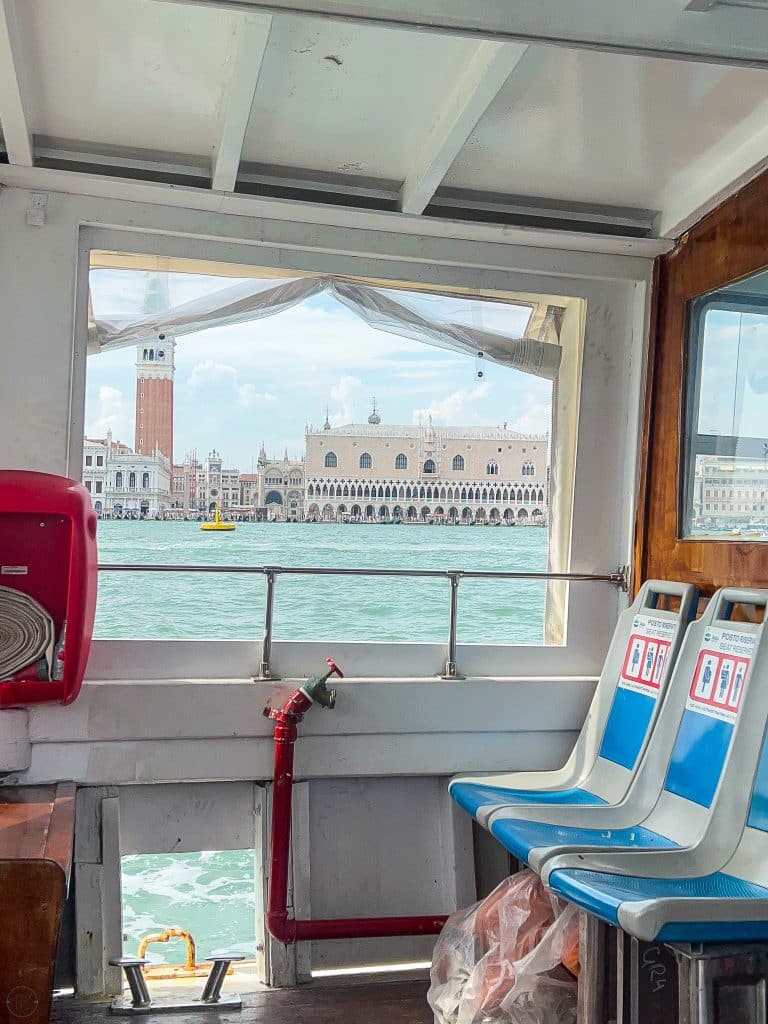
Once your car is parked, Venice’s version of public transport takes over, and it all happens on water.
Vaporetti, or water buses, are the city’s main method of public transportation.
They run along the Grand Canal and around the outer islands like Murano, Burano, and Lido. Operated by ACTV, these boats stop at floating docks marked by yellow signs and electronic timetables.
You can buy single tickets (valid 75 minutes) or choose from unlimited 1-, 2-, 3-, or 7-day passes, which quickly pay off if you plan to explore multiple islands.
Passes can be purchased at ticket booths, machines, or online, and they’re activated the first time you tap in.
My favorite (free!) app to figure out where you’re going on the vaporetti is called Citymapper.
Top routes for visitors:
- Line 1 – slow but scenic, following the Grand Canal from Piazzale Roma → San Marco → Lido.
- Line 2 – faster, express version stopping at major landmarks.
- Lagoon lines – to Murano (glass), Burano (colorful houses & lace), Torcello (historic churches).
Tour Director Tip: Sit near the front or back for the best views — the Grand Canal feels like an open-air museum.
Water taxis & when they’re worth it
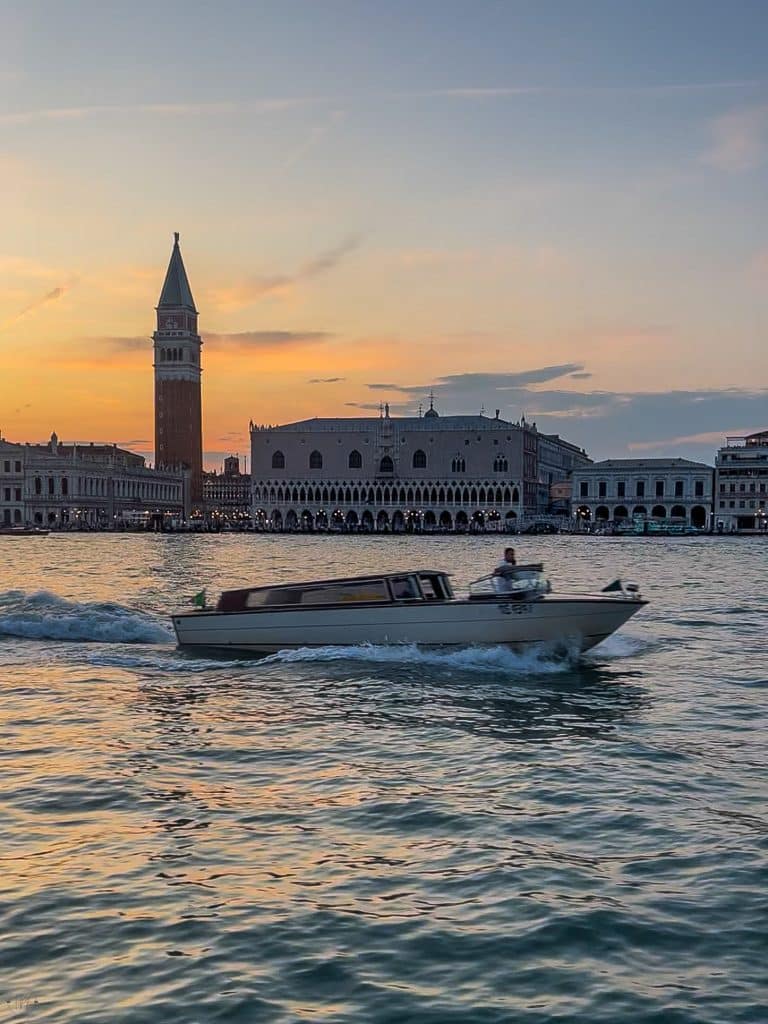
If vaporetti are the buses, water taxis are the private cars of Venice, and they charge accordingly.
A ride from the train station to St. Mark’s Square can easily cost €60–€80 or more, but taxis are the most comfortable option when you have heavy luggage, limited mobility, or are arriving late at night.
They seat up to 10 people, so splitting the fare with others can make sense.
Water taxis can be booked at official stands (look for “TAXI ACQUEO”), through hotel concierge desks, or online.
Always confirm the price before boarding, as rates increase after 10 p.m. and for direct routes to islands like Murano or Giudecca.
Luggage tips, bridges & accessibility
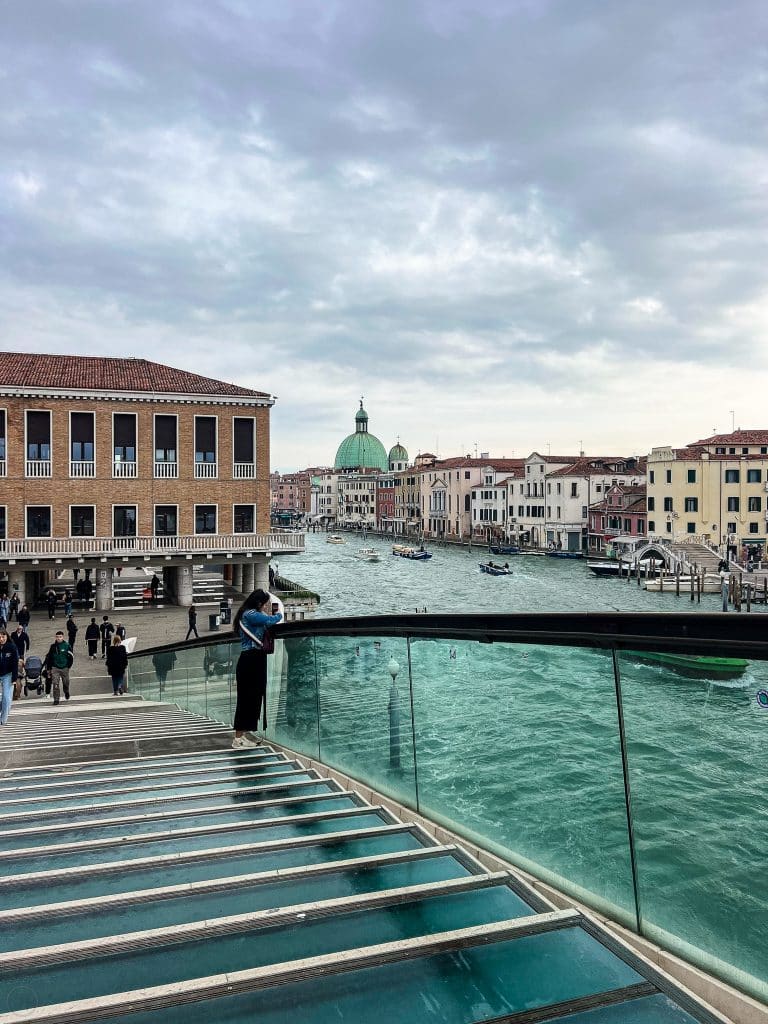
The city may look flat, but one thing you should know about Venice – those 400+ bridges add up, and most have steps.
If you’re hauling luggage, pack light and use a rolling suitcase with sturdy wheels.
Many hotels near Piazzale Roma, Santa Lucia Station, or San Marco can arrange luggage transfer via porters or water taxis.
When booking, check if your accommodation has lift access or if you’ll need to cross bridges to reach it.
For travelers with mobility needs, note that major vaporetto stops (like San Marco Vallaresso and Rialto) have ramps, and Line 1 boats can accommodate wheelchairs.
The ACTV website lists fully accessible routes.
Day trips & connections
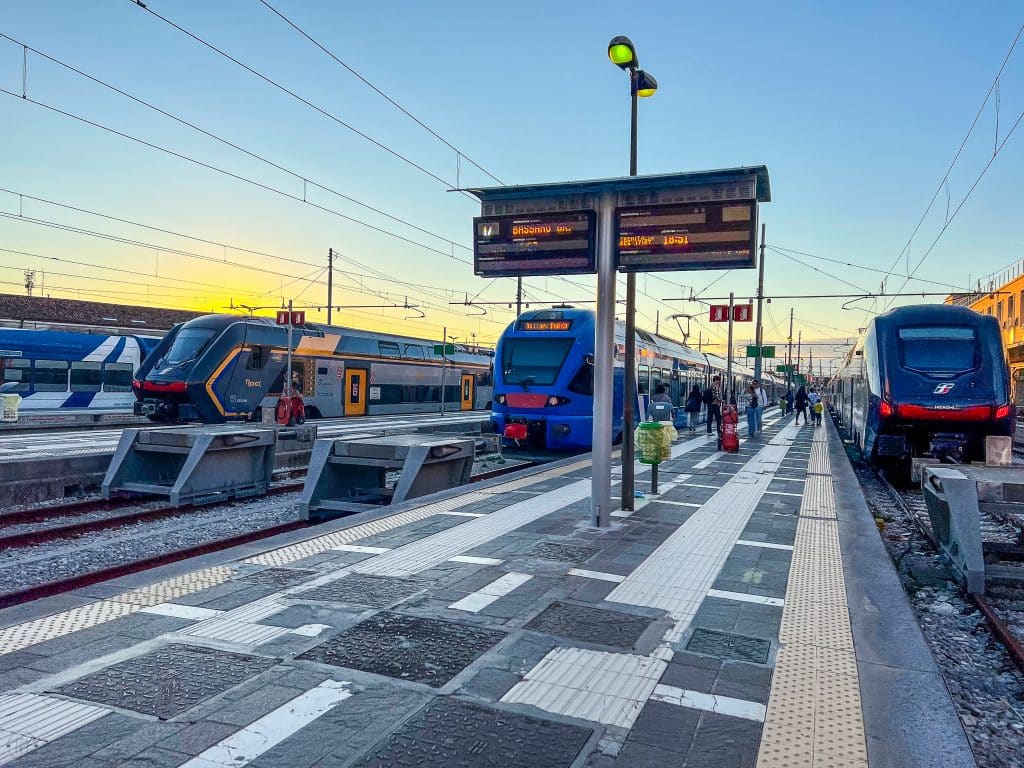
By train: Venice Santa Lucia Station connects directly to Florence (2 hr), Milan (2.5 hr), and Rome (3.5 hr).
Trains cross the Ponte della Libertà bridge — so even though you can’t drive in, you can still arrive by rail right into the city’s heart.
By plane: Venice Marco Polo Airport (VCE) is on the mainland, about 30 minutes away. You can reach Venice via:
- Alilaguna Water Bus (€15) – departures every 30 min to San Marco & Rialto.
- Bus #5 or ATVO express (€10) – to Piazzale Roma.
- Private water taxi (€130–€150) – the most scenic and direct option.
If you’re coming from Treviso Airport (TSF), allow ~1 hr 30 min by ATVO bus to Piazzale Roma.
Are There Cars in Venice, Italy?: FAQs

Are there cars in Venice?
There are cars in Venice, but they are not allowed in the historic center.
When you arrive in Venice, you will notice that the city is built on a series of islands connected by bridges.
The historic center of Venice is a pedestrian-only zone, which means that cars are not allowed.
However, Venice has roads and cars since you can use your private vehicle to reach the city.
So, while there are cars in Venice, you cannot drive your car in the historic center.
The best way to explore Venice is on foot or by using the city’s water taxis, called vaporetti.
Are there roads in Venice?
Technically, yes, there are roads in Venice. There are roads for cars in Venezia Mestre, the mainland side of Venice.
There are also roads for cars in the historic center of Venice, but only on the islands of Piazzale Roma, Santa Chiara (which has the city’s car ferry and cruise terminals), and Tronchetto.
However, when you’re in Venice, the roads are the canals!
From when people first started living in the Venetian Lagoon until now, people have used the canals as their city streets and the island roads as their walking paths.
Can you visit Venice by car?
Visiting Venice by car is definitely possible, but you won’t actually be able to drive within the city center.
You can drive to Venice, park your car in a garage or lot on the mainland, and then explore the amazing city by foot, boat, or public transportation.
Venice is known as a pedestrian bridge and canal city for its stunning beauty and rich history – not cars!
If you plan on driving from another Italian city or nearby Lake Garda, you’ll have to leave your car in one of the parking lots outside Venice’s historic city center.
Where should I park to visit Venice?
Piazzale Roma offers the closest garages; Tronchetto is cheaper and connected by the People Mover. Mestre on the mainland is best for budget parking and day trips.
Are there bicycles in Venice?
Bicycles are not allowed in the historic center of Venice. The entire city is not bike-friendly due to the narrow streets, bridges, and stairs.
However, if you are an experienced cyclist, you can rent a bike and explore the mainland or the Lido-Pellestrina island, which has a long beachfront promenade ideal for cycling.
Bicycles are not allowed on the vaporetti (water buses) either, though, so you’d need to leave your bike in your car, on the mainland, or on one of Venice’s outer islands, like Lido-Pellestrina.
Is a vaporetto pass worth it?
If you plan to ride more than three times in a day or explore Murano and Burano, absolutely. It saves money and time versus buying single tickets.
How do I get from the airport to the city?
If you want to reach the historic center by boat, take the Alilaguna water bus from Marco Polo Airport to San Marco or Rialto (1 hour). There is also bus #5/ATVO express to Piazzale Roma (30 minutes).
Are There Cars in Venice: Wrap-Up
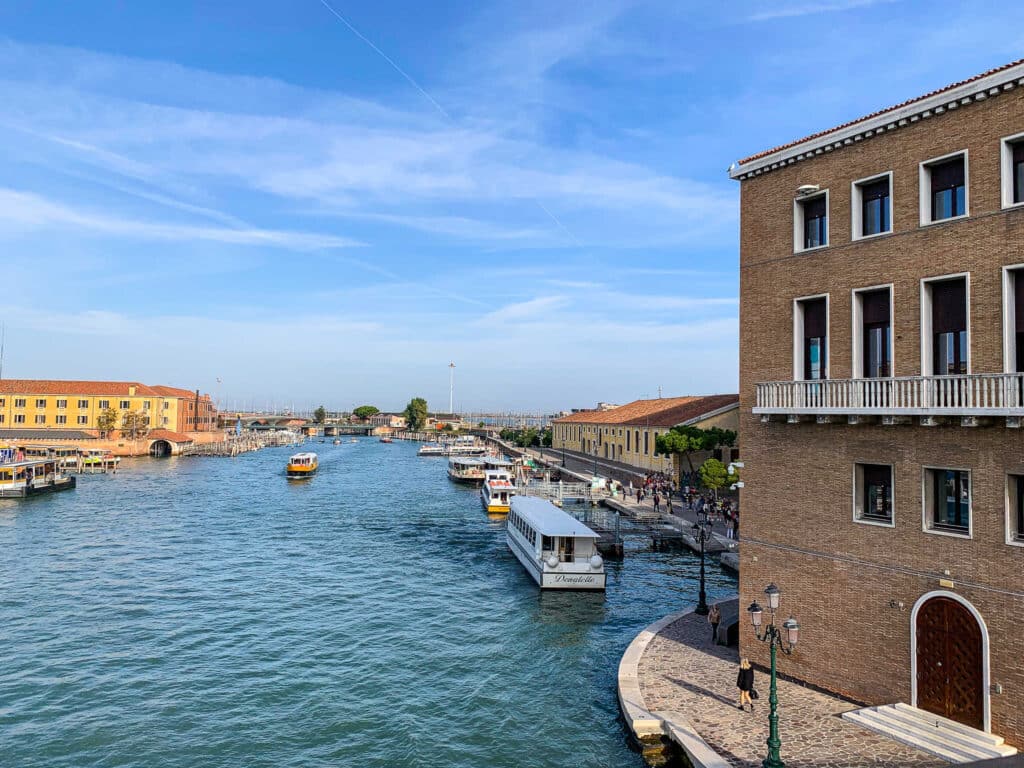
The absence of cars in Venice is a defining feature of the city’s character and charm.
It’s a testament to the ingenuity and adaptability of its residents, who have found ways to thrive in an environment that is unlike any other for over a thousand years.
While it’s easy to romanticize the idea of a car-free city, it’s important to remember that this lifestyle comes with its own unique challenges and limitations.
However, it also provides an opportunity for a slower, more deliberate pace of life that encourages human connection and appreciation for the city’s natural beauty.
As we continue to grapple with issues of urbanization and sustainability, the Lagoon City stands as a shining example of what’s possible when we prioritize the needs of people and the environment over those of machines.
So if you’re lucky enough to visit this magical city, take a moment to appreciate the quiet, car-free streets and the vibrant, human-centric culture that thrives within them.
Read More
- The Ultimate Venice Bucket List: 55+ Things to do in Venice, Italy
- Uniquely Interesting Facts About Venice, Italy
- Awesome Rainy Day Activities in Venice, Italy
- Your Perfect Itinerary for 2 Days in Venice, Italy
- Stunning Instagrammable Places and Photo Spots in Venice, Italy
- Can You Swim in Venice, Italy?
- The Best Venice City Pass: An Ultimate Venice Pass Comparison Guide
- Delicious Cooking Classes in Venice, Italy
- Does Venice Smell? Exploring the Lagoon City’s Scents
- Outstanding Wine & Prosecco Tours from Venice, Italy
- Reviewing CastelBrando: An Unforgettable Italian Experience
- Incredible Things to do in Treviso, Italy



Leave a Reply